Sakinah Khanum Banu-yi Ashraf
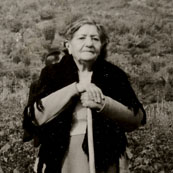
Sakinah Ashrafi, daughter of Zibandah Khanum (daughter of Ibrahim Mirza Muʻizzi) and Ghulam Husayn Khan Ashrafi, was born in 1891 in Tehran. She married her cousin, Musa Ashrafi (Ashraf al-Mulk), son of ʻAbbas Quli Khan Mir Panj, in 1905 when she was 14 years old. She joined her husband in Ashraf (now Bihshahr) in Mazandaran and from then on she was known as Banu-yi Ashraf. They had four children: Muhammad Ashrafi (1912-2009), Ahmad Ashrafi (1913-1988), Maryam Ashrafi (1914-1978), and Musa Ashrafi (1918-2012). She died in her house in Tehran on July 12, 1971 and was buried in Bihisht-i Zahra cemetery.
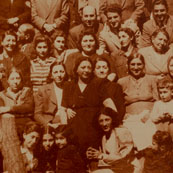
Sakinah Ashrafi was born in 1891 in Tehran. Her mother was Zubaydah Khanum (Shazdah Banu), daughter of Ibrahim Mirza Muʻizzi, and her father was Ghulam Husayn Khan Ashrafi, who was in Nasir al-Din Shah's court. Her brother was ʻAbd Allah Ashrafi. Banu-yi Ashraf married her cousin, Musa Ashrafi (Ashraf al-Mulk), son of ʻAbbas Quli Khan Mir Panj, in 1905 when she was 14 years old. She joined her husband in Ashraf (now Bihshahr) in Mazandaran and from then on she became known as Banu-yi Ashraf. She had four children: Muhammad Ashrafi (1912-2009), Ahmad Ashrafi (1913-1988), Maryam Ashrafi (1914-1978), and Musa Ashrafi (1918-2012). Ashraf al-Mulk (Banu-yi Ashraf's husband) was the governor of Ashraf and a landlord. During the famine of 1917, rice that was supposed to be transported to Russia by ship was disembarked and distributed among people by his order. This led to some animosity and he was ultimately murdered by a mob while visiting his rice fields. He was 28, and at the time, Banu-yi Ashraf was 25 years old and pregnant with their last child, Musa. A single parent after the death of her husband, she managed the family's properties, resisted feuds related to legal issues and the challenges of farming, and provided an education for her children. Banu-yi Ashraf's services for people of Bihshahr include: building a center for water sanitation, building schools, donating land, and other philanthropic activities. Banu-yi Ashraf used to play chess and backgammon, enjoyed reading historical books, took part in social discussions, and listened to music; she was also a religious woman. She died of an illness on July 12, 1971 at her home in Tehran and was buried in Bihisht-i Zahra cemetery. Close
This biography is partly based on the information provided by Afsanah and Rukhsarah Ashrafi and also: کتاب خاطرات ممتحن الدوله . تهران ، فردوسی و نشرفرهنگ ، ۱۳۶۲. Close
Do you know this person?
Help us complete this profileLife events and dated items
View as search results-
Courtyard in Bihshahr (20th century)
-
Courtyard in Bihshahr (20th century)
-
Banu-yi Ashraf and her children (1927 or 1928)
-
Banu-yi Ashraf and her family (early/mid 20th century)
-
Banu-yi Ashraf and her family (1920 or 1921)
-
Banu-yi Ashraf and her family (early/mid 20th century)
-
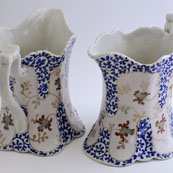
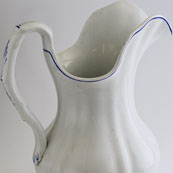
Pitchers (20th century)
-
Belt (20th century)
-
Qur’an cover (20th century)
-
-
Backgammon (20th century)
-
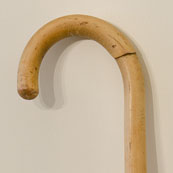
Cane (20th century)
-
-
Russian table (20th century)
-
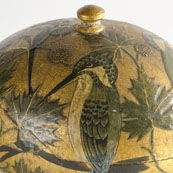
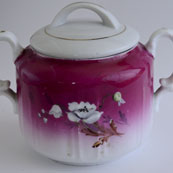
Candy Bowl (20th century)
-
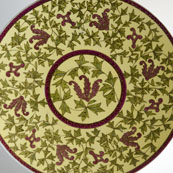
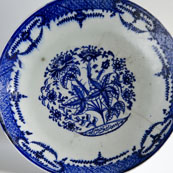
Plate (20th century)
-
Plate (20th century)
-
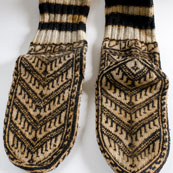
Handmade woolen socks (20th century)
-
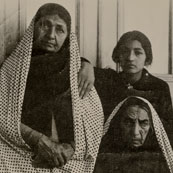
Maryam Ashrafi, Zibandah Khanum and Fatimah Khanum (early/mid 20th century)
-
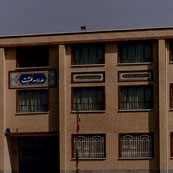
‘Itrat school (20th century)
-
Ivory kohl liner (20th century)
-
Documents regarding property management of Banu-yi Ashraf and her children (1903 or 1904 - 1937 or 1938)
-
Legal documents belonging to Banu-yi Ashraf and Fatimah Khanum (24 August 1908 - 30 June 1927)
-
Tablecloth (20th century)
-
Marriage contract of Banu-yi Ashraf and Musa Khan Ashrafi, 1905 (May or June 1905)
-
Banu-yi Ashraf's diary, 1924 (April or May 1924)
-
Banu-yi Ashraf's handwriting, 1930 (28 October 1930)
-
Recipes (20th century)
-
Banu-yi Ashraf's accounting booklet, 1934 (18 November 1934 - 13 February 1936)
-
Part of Banu-yi Ashraf's will (20th century)
-
Letters to Banu-yi Ashraf (20th century)
-
Letters to Banu-yi Ashraf from his sons (early/mid 20th century)
-
Documents regarding guardianship of Banu-yi Ashraf's children (early/mid 20th century)
-
Soup bowl (20th century)
-
Settlement between Zibandah Khanum and Banu-yi Ashraf, 1930 (15 March 1930)
-
-
Banu-yi Ashraf in Bihshahr (1961 or 1962)
-
Belt (20th century)
-
Banu-yi Ashraf (1946 or 1947)
-
Banu-yi Ashraf in Bihshahr (1961 or 1962)
-
Banu-yi Ashraf (circa. 1936 or 1937)
-
Banu-yi Ashraf and her family (29 October 1948)
-
Bunu-yi Ashraf (circa. 1920 or 1921)
-
Bunu-yi Ashraf (circa. 1931 or 1932)
-
Bunu-yi Ashraf at Motel Qu (1966 or 1967)
-
Banu-yi Ashraf with the Ashrafi and Mu‘izzi family (1941 or 1942)
-
Banu-yi Ashraf on sickbed (1971 or 1972)
-
Banu-yi Ashraf with her family (early/mid 20th century)
-
Banu-yi Ashraf and her family in a wedding ceremony (1964 or 1965)
-
Embroidery (20th century)
-
Horse blanket (20th century)
-
Qalamkar tablecloth (20th century)
-
Curtain valance (20th century)
-
Wedding chador (20th century)
-
Qalamkar tablecloth (20th century)
-
Tablecloth (20th century)
-
Qalamkar spread (20th century)
-
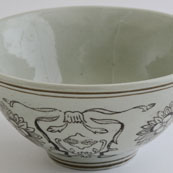
Bowl (20th century)
-
Bowl (20th century)
-
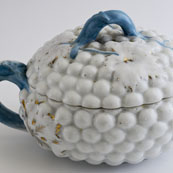
Candy bowl (20th century)
-
Pitcher (20th century)
-
Sugar bowl (20th century)
-
Water pipe base (1897 or 1898)
-
Belt (20th century)
-
Belt (20th century)
-
The Memories of Sakinah Ashrafi (Banu-yi Ashraf) (3 February 1971)